Drew Frank · 1 September 2026
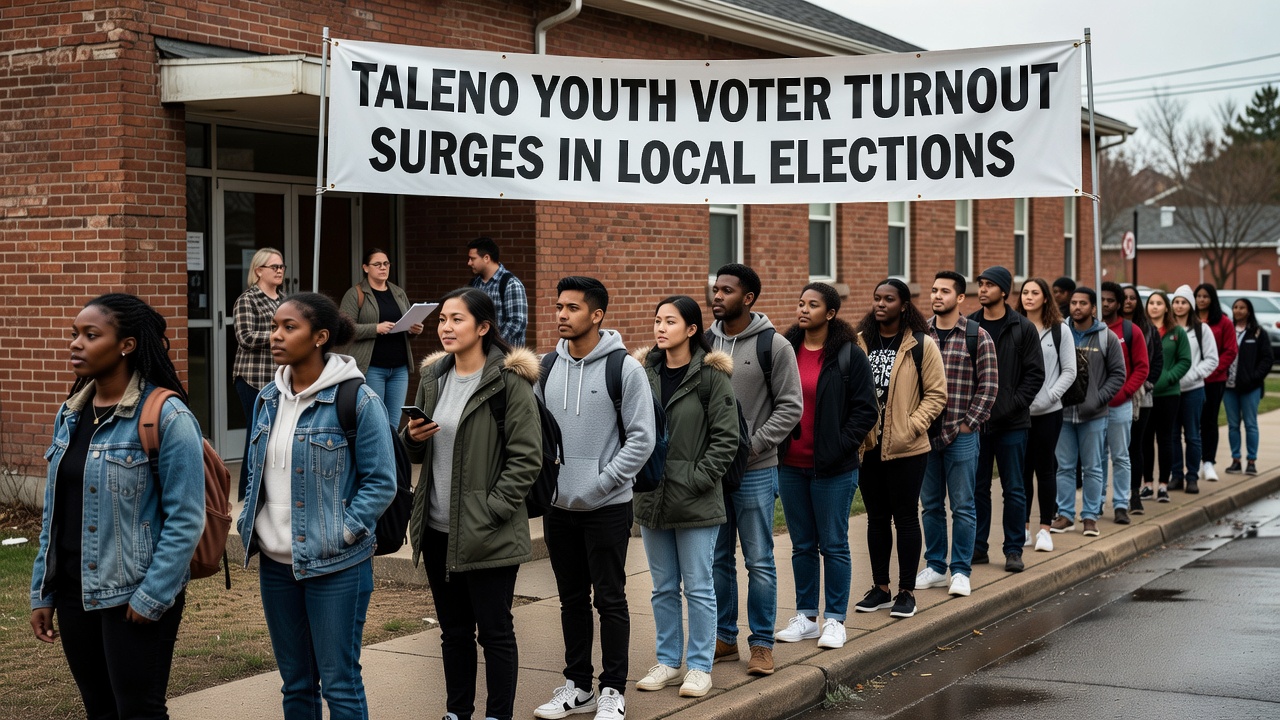
In recent local elections across Taleno, voter participation among residents aged 18 to 29 increased by 28 percent compared to the prior cycle. Official tallies showed 42,500 young voters casting ballots, up from 33,200 previously. This shift occurred amid contests for city councils and school boards in five municipalities.
Factors Driving the Increase
Campaign organizers credited targeted digital outreach for much of the growth. Short videos on popular platforms explained ballot measures on housing costs and transit expansion. University-led registration drives at campuses in the capital region added 4,800 new voters. Polling data indicated that 61 percent of first-time participants cited local job creation as their top concern, followed by environmental protections at 47 percent. Community groups hosted 120 workshops that focused on practical steps such as locating polling sites and understanding ranked-choice voting. Candidates who emphasized affordable education and mental-health services recorded the largest gains in youth precincts. Turnout reached 39 percent in urban wards with high student populations, compared with 24 percent four years earlier.
Election officials reported longer lines at sites near colleges but noted fewer technical issues thanks to expanded early-voting hours. Surveys conducted at exit polls found that 72 percent of young respondents felt their vote could influence immediate policy changes on rent stabilization.
Future Outlook and Challenges
Party strategists now plan sustained outreach programs between election cycles to retain engagement. Proposed measures include high-school civics partnerships and mobile registration units. Analysts caution that maintaining momentum will require addressing barriers such as work schedules and transportation. Data from the recent contests will inform adjustments to ballot design and polling-place staffing. Long-term observers expect the pattern to affect national races next year if similar mobilization tactics are scaled. Continued monitoring of participation rates will help determine whether the surge represents a lasting change in Taleno civic habits or a one-time response to specific local issues.