Felix Fischer · 1 September 2026
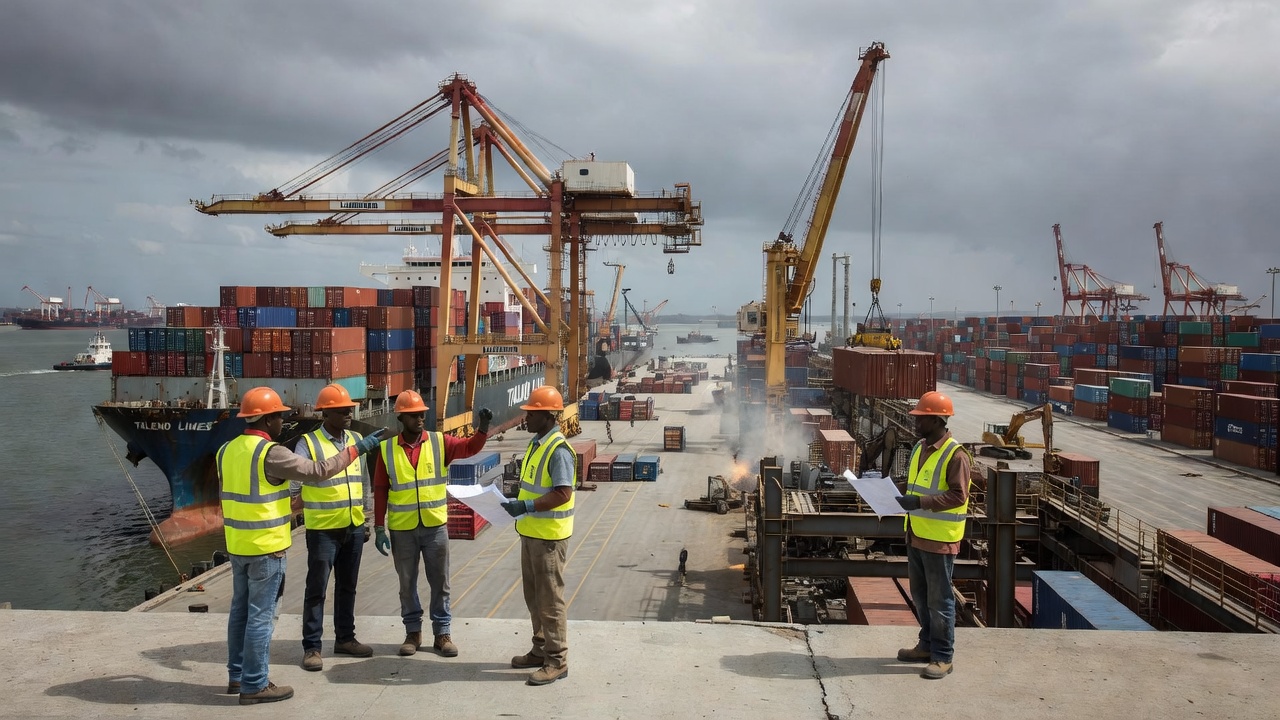
The proposed expansion of Taleno Port has ignited a heated debate across the region, with stakeholders divided over its potential to reshape trade dynamics. Officials announced plans last month to add two new terminals and deepen existing channels, aiming to increase annual cargo capacity by 40 percent. Supporters argue this will position Taleno as a key hub for international shipping, while critics warn of uneven economic impacts on smaller neighboring ports.
Projected Economic Gains
Proponents highlight significant benefits for local economies. The expansion is expected to create over 5,000 jobs during construction and operation phases, boosting employment in logistics and related sectors. Trade volume forecasts suggest a rise in exports of agricultural goods and minerals, potentially increasing regional GDP by up to 8 percent within five years. Shipping companies have expressed interest in new routes connecting Taleno to Asian markets, reducing transit times by 15 days compared to current alternatives. Government data indicates that enhanced infrastructure could attract $2 billion in foreign investment, fostering growth in manufacturing and warehousing industries across Taleno and adjacent areas.
Regional analysts note that improved connectivity might strengthen supply chains disrupted by recent global events. Smaller economies in the area could benefit indirectly through increased transit trade and access to larger vessels. Training programs for port workers are also planned to ensure local communities gain skills in modern maritime operations.
Opposition and Trade Concerns
However, representatives from nearby ports and environmental groups have raised alarms. They contend that the expansion could divert traffic from established facilities, leading to job losses and reduced revenues in those locations. A study by an independent trade institute projects a 25 percent drop in activity at secondary ports if Taleno captures the majority of new shipments. Concerns also center on environmental effects, including dredging impacts on marine habitats and increased emissions from larger vessels. Labor unions have called for safeguards to prevent workforce shifts that disadvantage regional employees.
Debate continues in legislative sessions, with calls for balanced policies that include revenue-sharing mechanisms and stricter sustainability standards. Public consultations are scheduled next quarter to address these issues before final approvals. The outcome could set precedents for similar infrastructure projects throughout the region.