Felix Fischer · 1 September 2026
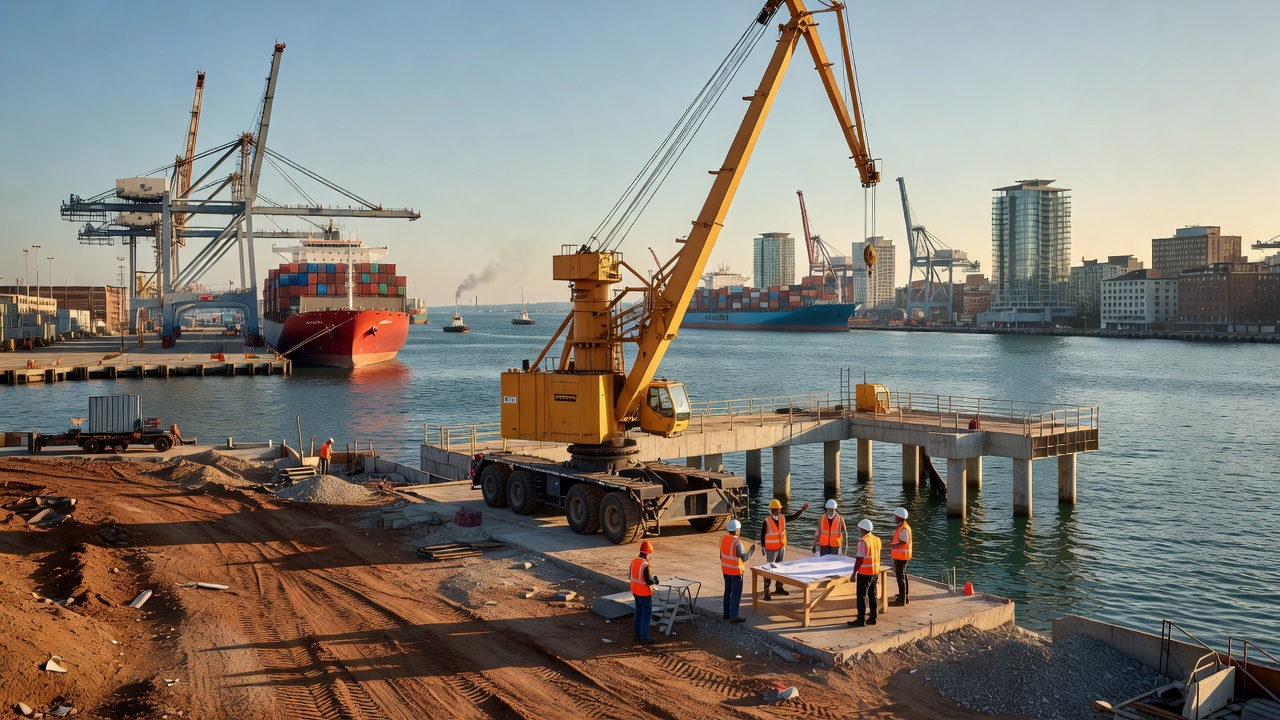
The proposed expansion of Taleno's main port facility has ignited debate among regional policymakers, economists and industry leaders. The project seeks to increase annual container capacity by 40 percent through new terminals and deeper berths, aiming to improve links with Asian markets and support higher export volumes.
Advocates emphasize the strategic importance of the upgrade for Taleno's economy. They note that enhanced infrastructure could attract foreign investment and streamline supply chains across the region.
Economic Benefits and Trade Growth
Independent analyses project that the port development could add up to five percent to regional GDP within ten years. Trade volumes with key partners are forecast to grow substantially, creating new logistics and manufacturing jobs. Construction alone is expected to employ several thousand workers, while ongoing operations could sustain long-term employment in related sectors. Improved road and rail connections are included to handle increased freight movement efficiently.
Business associations in Taleno have welcomed the initiative, citing opportunities for small and medium enterprises to expand into export markets. However, some economists caution that smaller ports in neighboring countries may face reduced traffic, prompting calls for coordinated regional planning to mitigate uneven impacts.
Environmental and Competitive Concerns
Environmental organizations have raised objections over dredging and habitat disruption, warning of potential harm to marine life and coastal ecosystems. Independent studies recommend strict pollution controls and monitoring to limit negative effects. Local fishing communities express fears that changes could affect traditional livelihoods that have existed for generations.
Regional competitors have voiced concerns about losing market share, leading to discussions on joint trade frameworks. Officials are holding further public consultations before granting final permits. The process may influence how similar infrastructure projects are evaluated in the future, balancing growth with sustainability and equitable trade outcomes.